
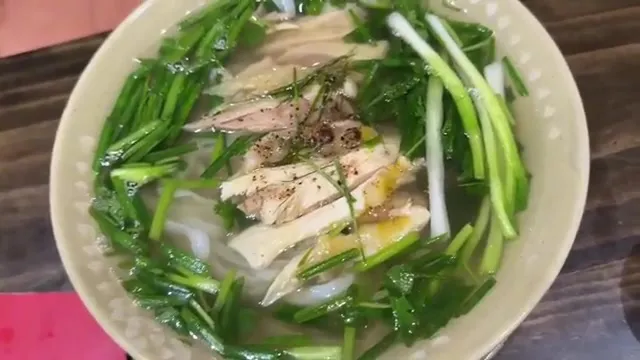
Saigon has a pho shop on almost every block, leaving visitors to puzzle over how to tell a tourist trap from a bowl locals actually queue for. Phở Hòa Pasteur in District 3 serves as the most obvious answer to that puzzle, anchoring a culinary landscape that stretches far beyond hotel breakfast rooms. This guide covers popular spots. But it also investigates older Northern-style kitchens hidden in District 1 alleyways and the quiet chicken pho counters that most travelers never find. Searching for where to eat pho in saigon or hunting down a midnight bowl near the backpacker quarter requires a steady compass. Knowing the local geography helps.
Saigon Pho vs Hanoi Pho: What Changes in the Bowl
Southern-style pho in Ho Chi Minh City usually comes with a sweeter broth, a plate of fresh herbs, bean sprouts, lime, and chili, plus hoisin and chili sauce on the table. Northern or Hanoi-style pho keeps a clearer broth and fewer add-ons, relying instead on simpler aromatics like charred ginger and fish sauce. Phở Hòa Pasteur, Phở Lệ, Phở Phượng, Pho Quynh, and Quán Phở 158 Nguyễn Công Trứ are popular venues following the southern tradition. Meanwhile, Phở Minh, Phở Hải Triều, and Phở Gà Phố Cổ honor the northern heritage by serving lighter broths and chicken noodle soups.
Phở Hòa Pasteur
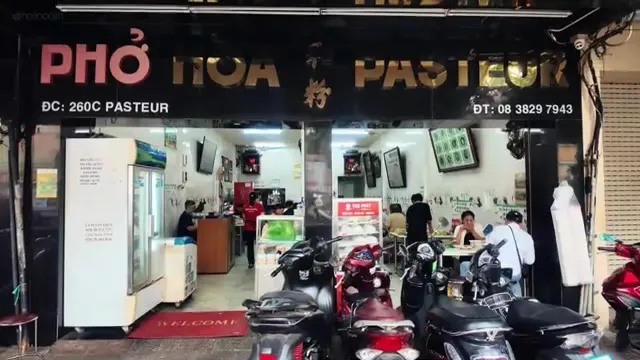
Phở Hòa Pasteur on Pasteur Street in District 3 has served southern-style pho for over 50 years in a two-story building directly across from the Pasteur Institute. It began as a street stall in 1968 before expanding into its current restaurant format. The ground floor offers an open-air feel, while the upper floor provides air-conditioning. Diners choose from rare steak, well-done flank, fatty flank, tendon, and beef meatballs, or order a special combination bowl featuring all available meat types.
Phở Lệ Restaurant
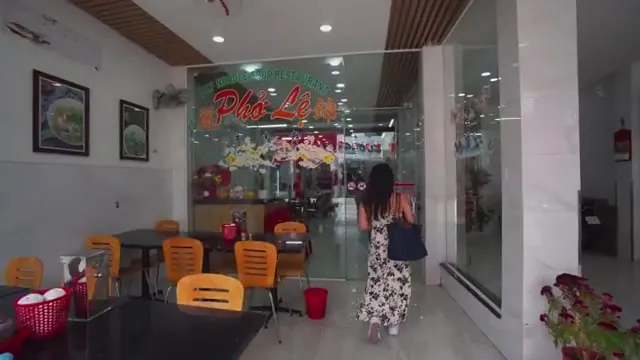
Phở Lệ on Võ Văn Tần in District 3 operates as another heavy hitter, having opened in 1970 as a small family-run shop. The kitchen simmers beef bones for many hours with cinnamon, star anise, and grilled ginger, producing a rich yet clear southern broth. The rice noodles here carry a characteristically soft texture. Diners accommodate large crowds in a spacious, air-conditioned dining room where the signature Phở Thập Cẩm brings together mixed beef types.
Phở Minh
Phở Minh sits in a narrow alley at 63/6 Pasteur in District 1, serving traditional northern Vietnamese pho since the 1940s. Founder Trần Minh started selling pho from a pushcart around 1945. Today, the third generation of the family runs two small dining spaces that stand nearly opposite each other down the alley. The broth omits star anise and cinnamon entirely, using grilled ginger and lemongrass for a lighter aroma alongside cuts like rare tenderloin, flank, gầu, and gân. They also bake fresh pâté chaud.
Phở Hải Triều
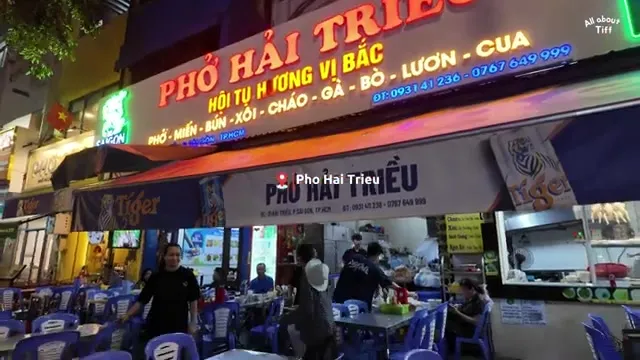
Phở Hải Triều operates directly opposite the landmark Bitexco Financial Tower at 31 Hải Triều in the Bến Nghé neighborhood. Stainless steel tables spread across the ground floor and spill onto the sidewalk for roadside seating. The kitchen specializes in northern chicken pho, using free-range poultry, flat rice noodles, and a clear broth infused with charred ginger and shallots. Diners can also select beef pho, glass noodles, chicken sticky rice, and poached chicken organs.
Pho Quynh
Metal sidewalk tables seat a mix of international travelers and local residents who drop by for southern-style beef pho with rare steak, brisket, tendon, and meatballs, or a bowl of bò kho beef stew.
Phở Phượng
Phở Phượng sits on Hoàng Sa street in District 1, overlooking the Nhiêu Lộc-Thị Nghè Canal. Owner Ms. Nguyễn Ngọc Phượng continues a family recipe from Nam Định province that her mother brought to Saigon in the 1960s. The kitchen simmers its broth for many hours and braises oxtail for 40 hours to create its signature oxtail pho, alongside brisket, flank, and beef balls.
Quán Phở 158 Nguyễn Công Trứ
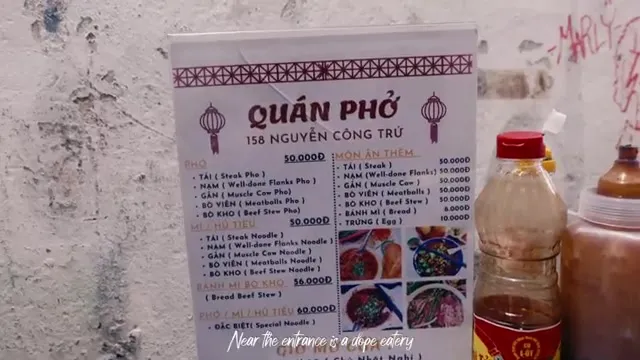
Quán Phở 158 Nguyễn Công Trứ sits at the entrance to a historic alley complex built in the early 1900s. Plastic tables and chairs line the alley entrance where local office workers and residents gather for southern noodle dishes. The stall serves phở tái bò viên with rare beef and meatballs, alongside hủ tiếu, mì, and rich bò kho served with noodles or bread.
Phở Miến Gà Kỳ Đồng
Phở gà means chicken pho, and Saigon treats poultry with the same reverence as beef. Phở Miến Gà Kỳ Đồng hides down an alley at 14/5Bis Kỳ Đồng in District 3, operating since 1975. The dining room holds about 30 tables and seats roughly 100 guests facing an open kitchen. Cooks use free-range chicken, known as gà ta, to build a clear, rich broth over hours of simmering. Diners order phở gà, miến gà with glass noodles, or gỏi gà xé phay chicken salad.
Phở Gà Phố Cổ
Phở Gà Phố Cổ brings the flavors of Hanoi’s Old Quarter to Đường Số 10 in the Thảo Điền ward of Thủ Đức City. The kitchen prepares clear chicken broth without added MSG, using specific hens with tender meat and golden skin. Diners choose between thigh or wing meat for their phở gà, bún gà, miến gà, or bún thang, pairing the noodles with quẩy fried dough sticks.
Phở Việt Nam
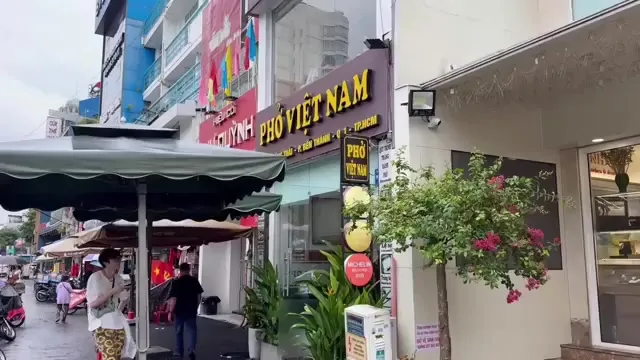
Phở Việt Nam operates branches across the city for visitors who want air-conditioned comfort and modern dining rooms. The District 3 branch at 66 Trần Quốc Toản makes its own fresh rice noodles on-site, allowing guests to watch the process from the dining area. Its signature dish is phở thố đá, where the broth arrives boiling in a heated stone bowl.
Phở Việt Nam, Hồ Tùng Mậu
Phở Việt Nam on Hồ Tùng Mậu in District 1 sits near the Bitexco Financial Tower and the Saigon River. This branch also serves the signature stone bowl pho alongside classic beef noodle soups with rare steak, flank, brisket, tendon, beef balls, and Australian Wagyu beef.
How to Order Pho in Saigon
Menus in District 1 and District 3 use specific terms for beef cuts and styles. Tái means rare beef, chín means well-done brisket, and nạm is flank. Gầu is fatty brisket, gân is tendon, and bò viên indicates beef balls. Ordering đặc biệt gives you a special combination bowl with all available meat types. Quẩy refers to fried dough sticks meant for dipping into the broth. The herb plate, lime, and sauces are for adding to taste. Meanwhile, most shops expect payment at the end of your meal.
When to Eat Pho in Ho Chi Minh City
Pho is traditionally a breakfast dish in Vietnam, which means many traditional kitchens experience their highest volume in the early morning hours. Some close early. Still, checking current opening hours on the PinGuide place pages before going prevents wasted journeys.
Frequently asked questions
Are these pho shops within walking distance of District 1 hotels?
Several venues like Pho Minh and Pho Hai Trieu sit directly in District 1, while others in District 3 require a short Grab ride.
Do I need to make reservations at these pho restaurants?
None of these establishments accept bookings, operating instead on a first-come, first-served basis.
Can I pay with credit cards at these spots?
Most traditional street-side stalls and open-air shops operate as cash-only businesses.
Which shops stay open late at night?
What is the average price range for a bowl?
Prices vary from affordable local street stalls to higher-end air-conditioned spots like Pho Viet Nam.
See these places on video
9 of these places appear in travel videos. Each clip starts at the moment the place is on screen.
 1:46

Phở Việt Nam
🇻🇳胡志明市4日3夜洗咗幾多錢?💰 | 超真實爆食行程!物價平到驚人😱|真心踩坑 + 避雷指南!|卡姐 becalouest
▶ Watch from 1:46 · in 8 videos
Found by 卡姐 becalouest
 2:30

Phở Hòa Pasteur
I didn’t expect to love Saigon this much 🇻🇳 | Cafes, shopping & hidden gems...
▶ Watch from 2:30 · in 3 videos
Found by Jin&Tonic
 8:48

Phở Lệ Restaurant
10 Places to EAT in SAIGON | HCMC FOOD TRIP 4D3N 2026
▶ Watch from 8:48 · in 3 videos
Found by Puri and Sue
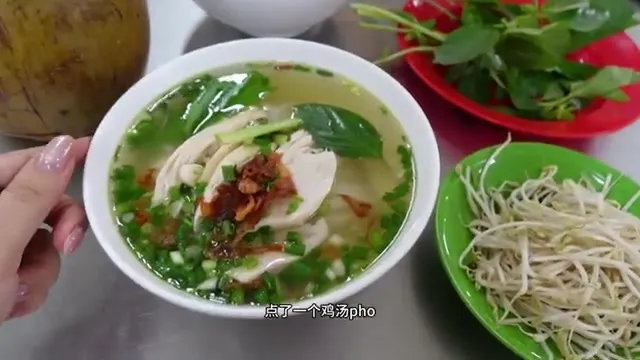 ~9:05

Phở Miến Gà Kỳ Đồng
Vietnam Vlog|🇻🇳胡志明5D4N自由行、第一次来就爱上 💕 和想象完全不一样的越南!咖啡便宜到哭、米其林路边摊、小众衣服逛不完!下飞机直接走VIP通道攻略 ✈️
▶ Watch from ~9:05 · in 2 videos
Found by Gimins Ng
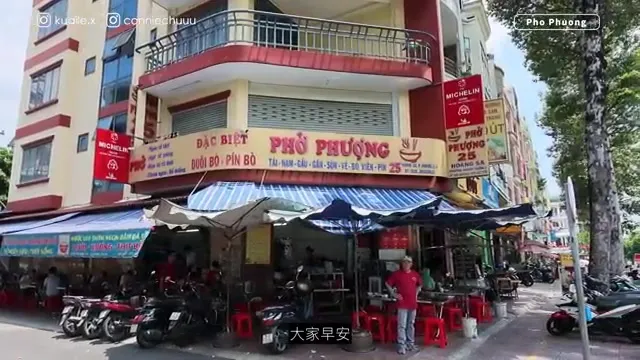 14:18

Phở Phượng
胡志明自由行超便宜🇻🇳必訪5大景點!高CP市中心住宿、米其林餐廳巡禮、越南服飾探店、古宅咖啡廳【R榮】
▶ Watch from 14:18 · in 2 videos
Found by R榮
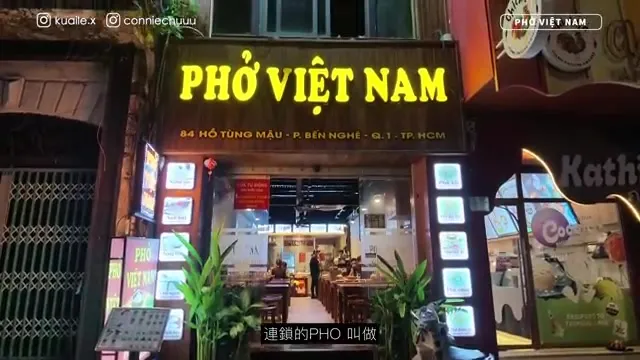 34:46
Phở Việt Nam, Hồ Tùng Mậu
胡志明自由行超便宜🇻🇳必訪5大景點!高CP市中心住宿、米其林餐廳巡禮、越南服飾探店、古宅咖啡廳【R榮】
▶ Watch from 34:46 · in 2 videos
Found by R榮
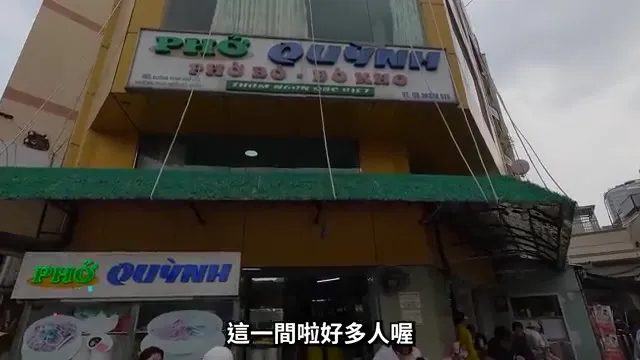 4:23

 15:45

Phở Hải Triều
Ho Chi Minh City Vietnam Vlog 🇻🇳 | Best Food, Cafés, Shopping, Nails & Things to Do
Found by All About Tiff
 8:33

Quán Phở 158 Nguyễn Công Trứ
Saigon Shopping: The Hidden & Unhidden Fashion Gems of Vietnam
Found by NiQu