

Mr.Pin Best Shopping Street in Saigon

Chùa Phước Hải

73 Đ. Mai Thị Lựu, Đa Kao, Quận 1, Thành phố Hồ Chí Minh, Vietnam

Open in Google Maps
07:00–18:00 daily

Overview

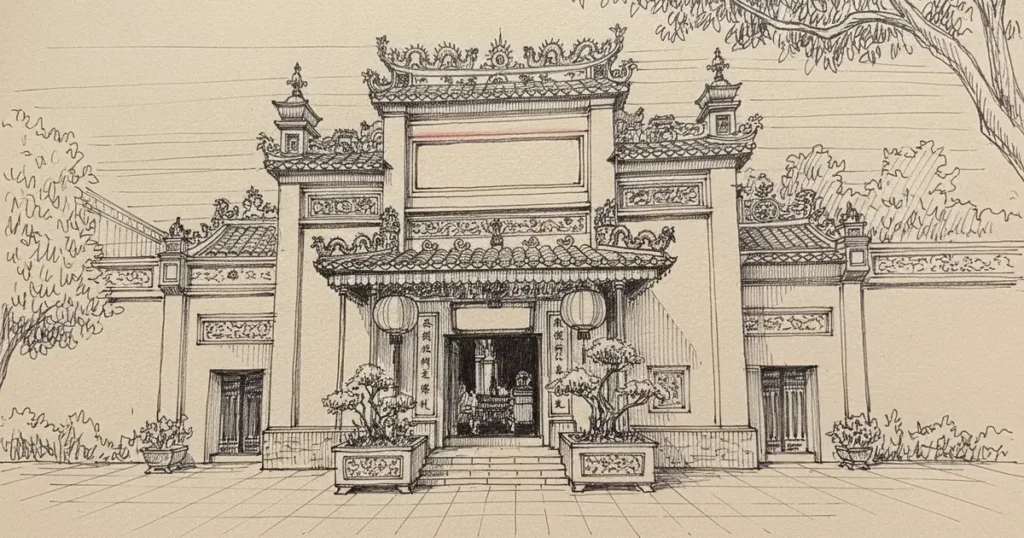
Chùa Phước Hải sits on Mai Thị Lựu street. Find it in District 1 of Ho Chi Minh City. This temple blends Taoist and Buddhist traditions. Locals widely know it as the Jade Emperor Pagoda (Ngọc Hoàng Điện). Lưu Minh, from the Cantonese community, built the temple. He opened it in the early 20th century, around 1909. The temple showcases traditional Chinese architecture. Intricate details adorn its design. Yin-yang tiles cover its roof. Numerous colorful ceramic statues decorate the structure.

The temple complex covers about 2,300 square meters. A three-door gate marks the entrance. Elaborate dragon carvings adorn this gate. Inside the grounds, a pond holds many turtles. The temple’s interior displays many artworks. It features statues, paintings, and carved wooden panels. Artisans crafted these from wood, ceramic, and papier-mâché. In 1994, the government recognized the pagoda. It became a National Artistic and Architectural Heritage site.

The main hall contains the central altar. It dedicates itself to the Jade Emperor. He stands as Taoism’s supreme deity. His celestial guardians flank him. Other halls and shrines honor various deities. These come from both Taoist and Buddhist traditions. One prominent area is the shrine for Kim Hoa Thánh Mẫu. It includes the twelve midwives. People pray here for fertility. Another significant section is the Hall of Hell. It features ten carved wooden panels. These panels depict different levels of karmic retribution.

The temple started as a Taoist site. The Vietnam Buddhist Association integrated it in 1982. It officially took the name Phước Hải Tự. Most locals and visitors still use its original name. They call it the Jade Emperor Pagoda. The site holds many altars. These include altars for the City God (Thành Hoàng). Visitors also find an altar for the God of Wealth.

History

Built
around 1900–1906
Founder
Cantonese man named Lưu Minh

5 Things You Didn't Know About Chùa Phước Hải

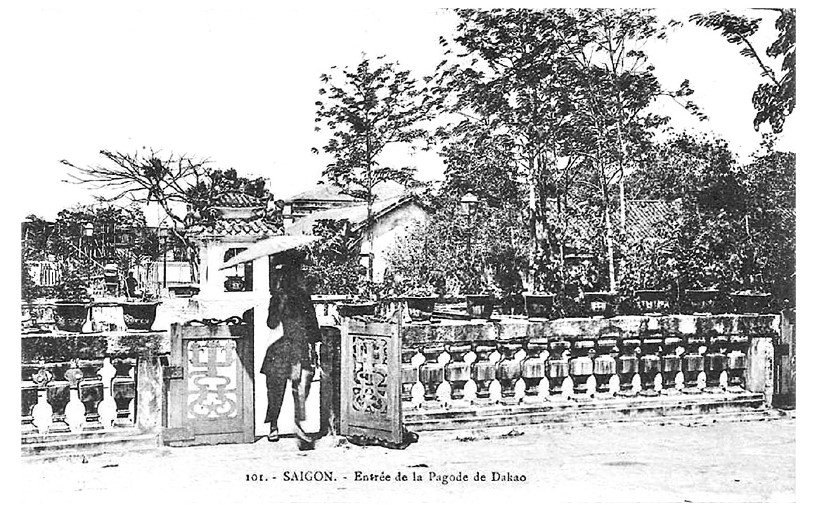
Chùa Phước Hải, District 1 — historical photo 1

A secret society temple disguised as a pagoda

Chùa Ngọc Hoàng was founded around 1900–1906 by a Cantonese man named Lưu Minh (also known as Lưu Đạo Nguyên), who was a strict vegetarian and follower of the Minh Sư (Ming Shi) sect, determined to overthrow the Qing dynasty.
According to scholar Vương Hồng Sển, Lưu Minh used the temple both for worship and as a secret meeting place for anti‑Qing activists, so the building began life as much as a political hideout as a religious site.

Built on the site of an old shrine and a sacred banyan tree

A 1914 French study records that the temple was laid out in 1900 under Lưu Minh’s direction on the site of an ancient shrine in Đa Kao, where part of the old wall and a large sacred banyan tree could still be seen.
Local legend says Lưu Minh, once sentenced to life imprisonment in China for killing his brother, promised to devote all his wealth to benefactors who helped him escape, and to build this temple on the spot where a lightning‑struck tree fell without harming the people sheltering beneath it.

Almost turned into a “Saigon Cluny Museum”

In 1912, at a meeting of the Society for Indochinese Studies in Saigon, members heard that the beautiful Đa Kao temple might be demolished, possibly because Lưu Minh had fallen into debt.
The Society’s chairman, Durrwell, urged the colonial government to buy the temple at auction and donate the land and buildings to the Society, so they could move their headquarters there and create a “Saigon Cluny Museum” dedicated to medieval art; the Governor of Cochinchina liked the idea, but in the end nothing came of it.

A unique blend of Buddhism, Taoism and folk religion

The temple is dedicated primarily to the Jade Emperor (Ngọc Hoàng Thượng Đế), but also enshrines Buddhist figures like Quan Âm and Dược Sư Buddha, alongside Taoist and folk deities such as Ông Tơ Bà Nguyệt (matchmakers), Kim Hoa Thánh Mẫu and the 12 bà mụ (midwife goddesses).
This makes Ngọc Hoàng one of the few places in Saigon where Tam giáo đồng nguyên (the unity of Buddhism, Taoism and Confucianism) is lived out in daily worship, with people praying for health, love, children and prosperity all under one roof.

From debt and demolition threats to national heritage

After operating for some years, the temple faced financial trouble and even the threat of demolition in the 1910s, but was saved by the intervention of the Society for Indochinese Studies and continued to serve the Chinese‑Vietnamese community.
In 1982 it came under the management of the Vietnam Buddhist Sangha, was renamed Phước Hải Tự in 1984, and in 1994 was officially recognised as a national architectural and artistic heritage site, cementing its place as one of Saigon’s most distinctive spiritual landmarks.

Sources: Wikipedia ↗ · Tap Chi Van Hoa Phat Giao ↗ · Thanh Nien ↗

1 insider tip

Tip from Mr.Pin

Mr.Pin · curator · Ho Chi Minh City’s Essential Landmarks & Museums

This temple offers a different perspective on Ho Chi Minh City's cultural landscape. It is a place for quiet reflection and to appreciate traditional Vietnamese religious architecture. Observe the intricate details and local practices respectfully during your visit.

Questions & Answers

Where is Chùa Phước Hải located?

Chùa Phước Hải is situated at 73 Đ. Mai Thị Lựu, Đa Kao, Quận 1, Thành phố Hồ Chí Minh, Vietnam, in District 1 of Ho Chi Minh City.

What are the opening hours for Chùa Phước Hải?

Chùa Phước Hải is open daily from 07:00 to 18:00, allowing visitors to explore its grounds throughout the day.

What is Chùa Phước Hải also known as?

Chùa Phước Hải is widely known by locals and visitors alike as the Jade Emperor Pagoda (Ngọc Hoàng Điện).

What architectural style does Chùa Phước Hải feature?

Chùa Phước Hải showcases traditional Chinese architecture, characterized by intricate details, yin-yang roof tiles, and numerous colorful ceramic statues.

What deities are honored at Chùa Phước Hải?

The main hall of Chùa Phước Hải is dedicated to the Jade Emperor, Taoism's supreme deity, while other halls and shrines honor various Taoist and Buddhist deities, including Kim Hoa Thánh Mẫu and the twelve midwives.

When was Chùa Phước Hải built?

Chùa Phước Hải was built around 1909 by Lưu Minh, a member of the Cantonese community, at the beginning of the 20th century.

Is Chùa Phước Hải recognized as a heritage site?

Yes, in 1994, the Vietnamese government recognized Chùa Phước Hải as a National Artistic and Architectural Heritage site.

What can visitors see inside Chùa Phước Hải?

Inside Chùa Phước Hải, visitors can see many artworks, including statues, paintings, and carved wooden panels crafted from wood, ceramic, and papier-mâché, along with altars for various gods.

Does Chùa Phước Hải have a specific area for fertility prayers?

Yes, Chùa Phước Hải features a prominent shrine for Kim Hoa Thánh Mẫu, which includes the twelve midwives, where people pray for fertility.

What is the historical background of Chùa Phước Hải's religious affiliation?

Chùa Phước Hải started as a Taoist site and was later integrated by the Vietnam Buddhist Association in 1982, officially taking the name Phước Hải Tự, though its original name, Jade Emperor Pagoda, is still commonly used.