Tip from Mei Time

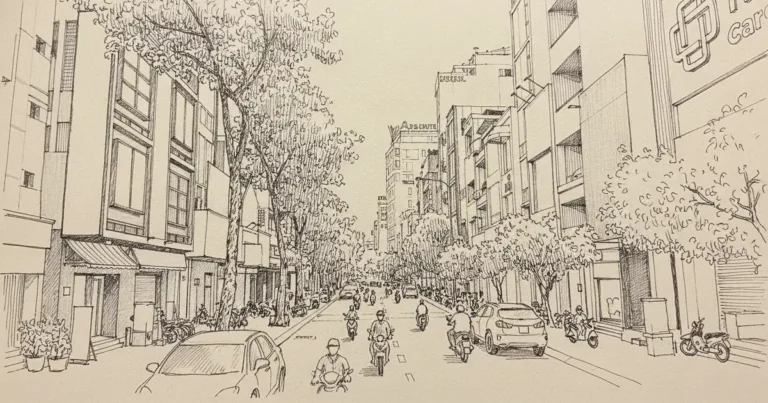
This street features French-style buildings. Many ground floors house antique shops. It provides insight into Ho Chi Minh City's aesthetic.

Đường Lê Công Kiều, Phường Nguyễn Thái Bình, Quận 1, Thành phố Hồ Chí Minh, Vietnam
Open in Google MapsLê Công Kiều Street is a commercial street known for its antique shops in District 1, Ho Chi Minh City. The street connects Phó Đức Chính Street with the Calmette Bridge. It runs a short length of approximately 200 meters. Many buildings along the street feature architectural elements from the French colonial period.
The street houses more than 30 small, independent shops. These businesses specialize in antiques, curios, and reproductions. The shops sell items such as ceramics, porcelain, vintage furniture, and old coins. Other available goods include lacquerware, bronze lamps, and colonial memorabilia. Many shops on the street do not have nameplates and are identified by their numbers.
Originally a small alley, the French administration widened it into a street in 1920. It was then named Rue de Reims. In 1955, the Saigon government renamed it Lê Công Kiều. The new name honors a military commander from a 19th-century resistance movement. The area was known for selling antiques even before 1975.
The shops generally open from morning until late afternoon. The street attracts antique collectors, tourists, and local residents. It sits in close proximity to other city landmarks, including the Bến Thành Market. The concentration of similar shops creates a distinct commercial character for the street.
This street features French-style buildings. Many ground floors house antique shops. It provides insight into Ho Chi Minh City's aesthetic.
Đường Lê Công Kiều, Phường Nguyễn Thái Bình, Quận 1, Thành phố Hồ Chí Minh, Vietnam
Lê Công Kiều Street is situated in District 1 of Ho Chi Minh City, Vietnam, specifically in Nguyễn Thái Bình Ward. It connects Phó Đức Chính Street with the Calmette Bridge.
Lê Công Kiều Street is widely recognized as a hub for antique shops, selling various items like ceramics, vintage furniture, old coins, and colonial memorabilia. It hosts more than 30 independent shops specializing in antiques and curios.
The shops along Lê Công Kiều Street generally open daily from 09:00 to 17:00. This makes it a good destination for daytime antique hunting.
On Lê Công Kiều Street, you can find a diverse range of antiques and reproductions including ceramics, porcelain, vintage furniture, old coins, lacquerware, and bronze lamps. Many shops also offer colonial memorabilia.
Lê Công Kiều Street is a relatively short commercial street, approximately 200 meters in length. Despite its short span, it features a high concentration of antique shops.
Yes, Lê Công Kiều Street has historical significance; it was widened by the French administration in 1920 and named Rue de Reims. It was later renamed in 1955 to honor Lê Công Kiều, a 19th-century military commander.
Many shops on Lê Công Kiều Street do not have traditional nameplates, but they are typically identified by their numbers. This adds to the unique character of the street's antique market.
Lê Công Kiều Street attracts a variety of visitors, including antique collectors, tourists, and local residents interested in unique historical items. Its specialized offering draws those seeking rare finds.
Yes, Lê Công Kiều Street is conveniently located in close proximity to other significant city landmarks, such as the famous Bến Thành Market. This makes it easy to visit as part of a wider tour of District 1.
Many buildings along Lê Công Kiều Street feature architectural elements from the French colonial period. This historical influence contributes to the street's unique atmosphere and charm.
Article ·
If you’re looking for a vintage watch in Ho Chi Minh City, you want to find genuine dealers with reliable…
Article ·
Looking for a fresh wardrobe that avoids the usual mall circuit? Ho Chi Minh City’s streets offer unique fashion and…
Save places as you browse, or start from one of our lists. Publish it and share one link with friends.
You reached the end.