

Chùa Phước Hải
📍 73 Đ. Mai Thị Lựu, Đa Kao, Quận 1, Thành phố Hồ Chí Minh, Vietnam

Overview
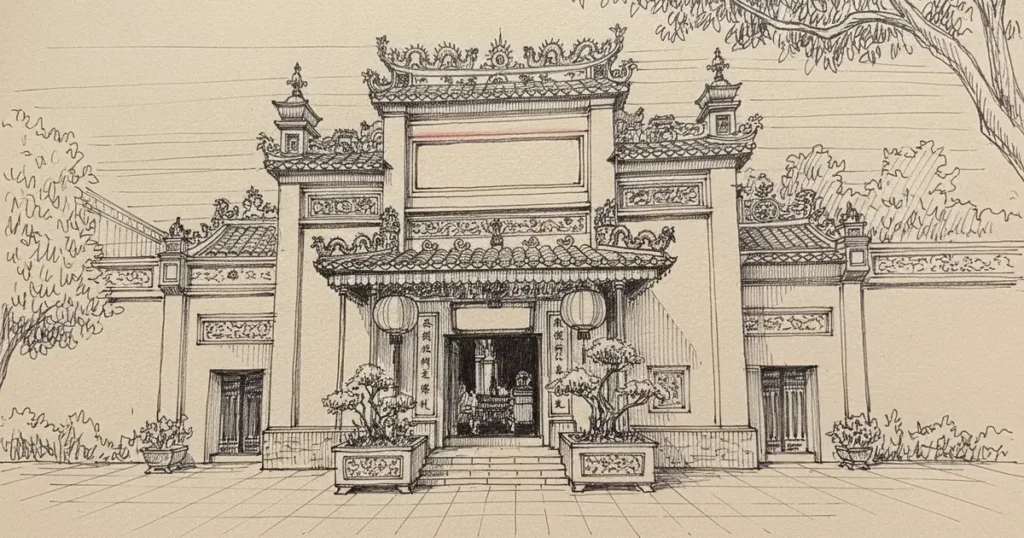
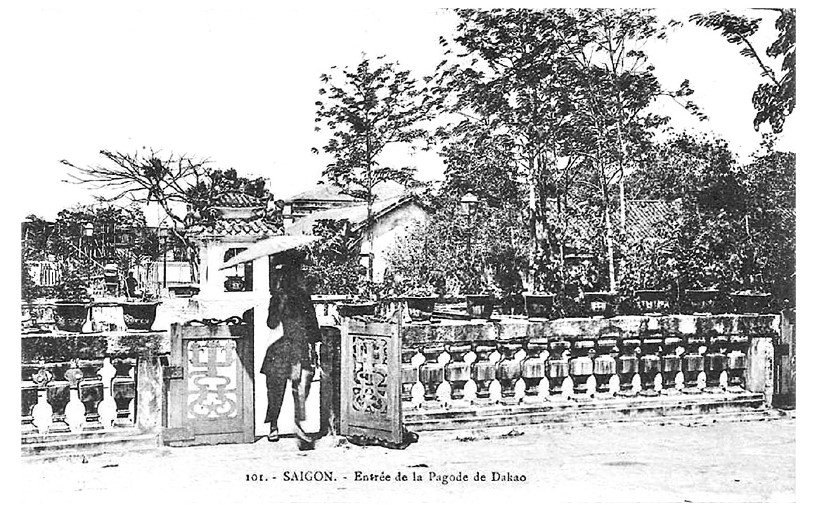
Chùa Phước Hải sits on Mai Thị Lựu street. Find it in District 1 of Ho Chi Minh City. This temple blends Taoist and Buddhist traditions. Locals widely know it as the Jade Emperor Pagoda (Ngọc Hoàng Điện). Lưu Minh, from the Cantonese community, built the temple. He opened it in the early 20th century, around 1909. The temple showcases traditional Chinese architecture. Intricate details adorn its design. Yin-yang tiles cover its roof. Numerous colorful ceramic statues decorate the structure.
The temple complex covers about 2,300 square meters. A three-door gate marks the entrance. Elaborate dragon carvings adorn this gate. Inside the grounds, a pond holds many turtles. The temple’s interior displays many artworks. It features statues, paintings, and carved wooden panels. Artisans crafted these from wood, ceramic, and papier-mâché. In 1994, the government recognized the pagoda. It became a National Artistic and Architectural Heritage site.
The main hall contains the central altar. It dedicates itself to the Jade Emperor. He stands as Taoism’s supreme deity. His celestial guardians flank him. Other halls and shrines honor various deities. These come from both Taoist and Buddhist traditions. One prominent area is the shrine for Kim Hoa Thánh Mẫu. It includes the twelve midwives. People pray here for fertility. Another significant section is the Hall of Hell. It features ten carved wooden panels. These panels depict different levels of karmic retribution.
The temple started as a Taoist site. The Vietnam Buddhist Association integrated it in 1982. It officially took the name Phước Hải Tự. Most locals and visitors still use its original name. They call it the Jade Emperor Pagoda. The site holds many altars. These include altars for the City God (Thành Hoàng). Visitors also find an altar for the God of Wealth.
Questions & Answers
Where is Chùa Phước Hải located?
Chùa Phước Hải is situated at 73 Đ. Mai Thị Lựu, Đa Kao, Quận 1, Thành phố Hồ Chí Minh, Vietnam, in District 1 of Ho Chi Minh City.
What are the opening hours for Chùa Phước Hải?
Chùa Phước Hải is open daily from 07:00 to 18:00, allowing visitors to explore its grounds throughout the day.
What is Chùa Phước Hải also known as?
Chùa Phước Hải is widely known by locals and visitors alike as the Jade Emperor Pagoda (Ngọc Hoàng Điện).
What architectural style does Chùa Phước Hải feature?
Chùa Phước Hải showcases traditional Chinese architecture, characterized by intricate details, yin-yang roof tiles, and numerous colorful ceramic statues.
What deities are honored at Chùa Phước Hải?
The main hall of Chùa Phước Hải is dedicated to the Jade Emperor, Taoism's supreme deity, while other halls and shrines honor various Taoist and Buddhist deities, including Kim Hoa Thánh Mẫu and the twelve midwives.
When was Chùa Phước Hải built?
Chùa Phước Hải was built around 1909 by Lưu Minh, a member of the Cantonese community, at the beginning of the 20th century.
Is Chùa Phước Hải recognized as a heritage site?
Yes, in 1994, the Vietnamese government recognized Chùa Phước Hải as a National Artistic and Architectural Heritage site.
What can visitors see inside Chùa Phước Hải?
Inside Chùa Phước Hải, visitors can see many artworks, including statues, paintings, and carved wooden panels crafted from wood, ceramic, and papier-mâché, along with altars for various gods.
Does Chùa Phước Hải have a specific area for fertility prayers?
Yes, Chùa Phước Hải features a prominent shrine for Kim Hoa Thánh Mẫu, which includes the twelve midwives, where people pray for fertility.
What is the historical background of Chùa Phước Hải's religious affiliation?
Chùa Phước Hải started as a Taoist site and was later integrated by the Vietnam Buddhist Association in 1982, officially taking the name Phước Hải Tự, though its original name, Jade Emperor Pagoda, is still commonly used.